
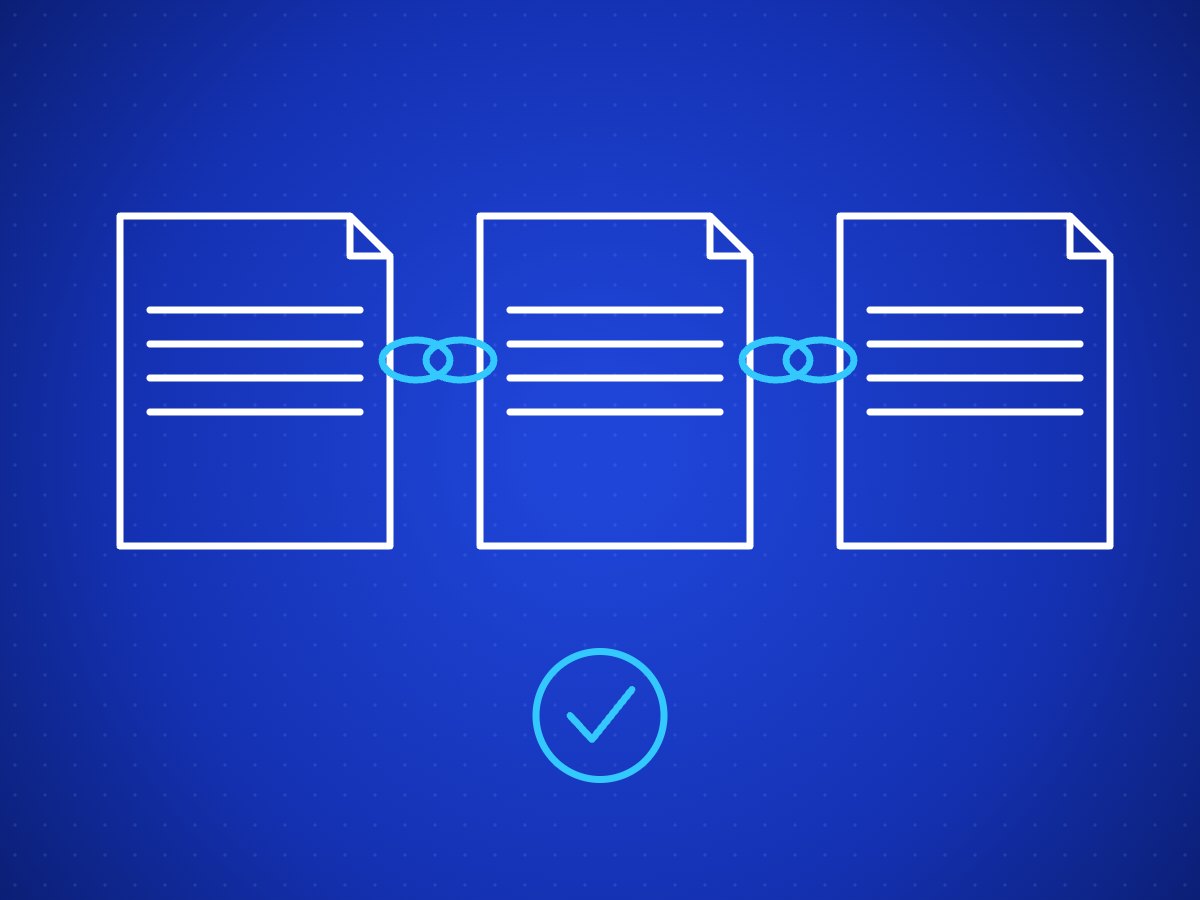
“I have an invoice” is an incomplete answer. What convinces the external auditor and withstands a ZATCA examination is not a single piece of paper but an unbroken chain showing that the expense actually occurred, that it relates to the business, that it was recorded in the correct period, and that the money went to the right payee. A break anywhere in that chain turns the expense into a disallowable item.
The legal basis for the documentation obligation
- Companies Law (Article 17): the company keeps its accounting records and the supporting documents that explain its business, contracts and financial statements.
- Commercial Books Law (Article 6): the trader must keep true copies of all correspondence and documents relating to the business, outgoing and incoming.
- Income Tax Implementing Regulations (Article 56): the minimum set of books — the general journal, the general ledger and the inventory book — plus the accounting records necessary to determine the tax correctly.
- Arabic is a condition, not a detail: the Income Tax Law (Article 58) requires books and records in Arabic, the VAT Implementing Regulations (Article 66) require records in Arabic and all invoices to be issued in Arabic in addition to any other language, and the Zakat Collection Implementing Regulations (Article 99) require supporting documents and explanations for returns to be submitted in Arabic.
The full documentary chain for a single expense
- Evidence of need and approval: the purchase requisition or work order, approved under the authority matrix.
- Evidence of the agreement: the contract, purchase order or approved quotation, including quantity, price and term.
- Evidence of performance: a receipt note, a goods received note for inventory, or a completion report for a service.
- Evidence of the liability: a tax invoice with its required particulars, including the supplier’s VAT number, the invoice number and date, and the tax amount.
- Evidence of payment: the transfer advice, cheque or payment voucher, reconciled to the bank statement.
- Evidence of recording: the journal entry number and date, and the account charged.
The auditor does not ask for every link for every expense. They select a sample and ask for it in full. When the chain breaks within the sample, testing widens, fieldwork lengthens, and the point appears in the management letter.
Where an invoice alone is not enough
- A service with no tangible output (consultancy, marketing, commission): it needs a contract defining the scope and a documented deliverable — a report, a design, a customer list — or it is treated as an unsupported expense.
- A supplier not registered for VAT: the expense may still be allowable for zakat and tax if it is supported, but there is no deductible input tax without a valid tax invoice.
- Cash expenses: the absence of a banking trail weakens the evidence, so tie them to a signed payment voucher and the payee’s receipt, and confine them to small amounts through a periodically reconciled imprest fund.
- Expenses in the name of a partner or manager: an invoice addressed to an individual for company business needs evidence that it belongs to the company and was paid by it, or it is treated as drawings rather than an expense.
- Expenses incurred abroad: they need the foreign invoice, proof of transfer and an Arabic translation, and the withholding tax position on payments to non-residents should be reviewed.
- Salaries and allowances: a payroll sheet alone does not prove them; the employment contract, the wage protection system record and a matching bank transfer do.
Recurring mistakes that cost you in an examination
- Posting the expense from the bank statement instead of the invoice, which loses the VAT number, forfeits the input tax and records the amount in the wrong period.
- Charging one year’s expense to another because the invoice arrived late; the correct treatment is to accrue it in its own period.
- Capitalising what should be expensed, or the reverse: routine maintenance capitalised to improve the result, or an asset expensed to reduce profit — both are adjusted in the audit.
- Keeping documents only on paper or on a personal device; an indexed digital archive linked to the entry number shortens an examination to days.
- Destroying records early: statutory retention periods run for years after the year-end, and destroying documents before then leaves the business undefended.
Is a scanned or electronic copy of the invoice enough?
Yes, if it is legible, complete and held in a retrievable system; the Commercial Books Law permits records to be kept by computer. The original is still required where the receiving body requires it.
I bought from a small shop that is not VAT registered. Is the expense allowed?
The expense itself may be allowed if it is supported by a document and proof of payment and relates to the business, but no input tax is deductible without a valid tax invoice.
What makes an auditor widen the sample?
Repeated breaks in the chain, large expenses with no contract, an unexplained concentration of payments with one supplier, or differences between the expense recorded and the amount paid.
Are English invoices acceptable?
The law requires Arabic: invoices are issued in Arabic in addition to any other language, and documents supporting returns are submitted in Arabic.
Sources
- Companies Law (Royal Decree M/132) — Article 17
- Commercial Books Law (Royal Decree M/61) — Articles 2 and 6
- Income Tax Law — Article 58; Income Tax Implementing Regulations — Article 56
- VAT Implementing Regulations — Article 66
- Zakat Collection Implementing Regulations — Article 99